The Ultimate Peru Travel Guide
17 July 2026
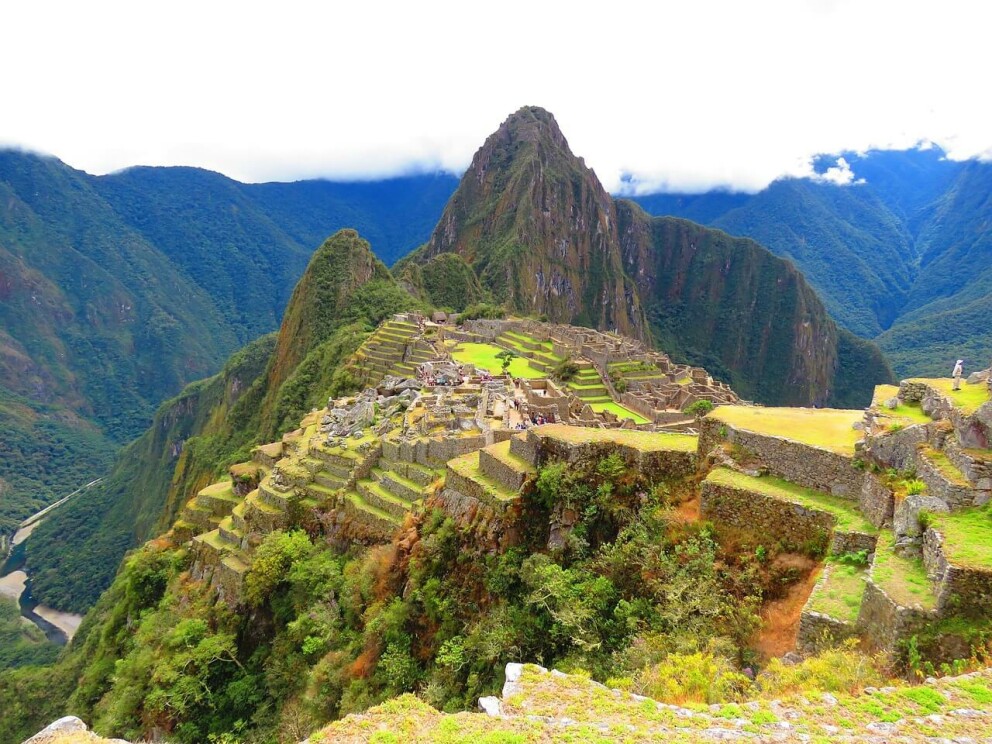
Peru is one of South America's most rewarding destinations, where ancient history, breathtaking landscapes, vibrant cities and extraordinary wildlife come together to create a truly memorable escape.
Whether you dream of walking through the ruins of Machu Picchu, spotting llamas in the Andes, exploring the Amazon rainforest or sampling world famous cuisine in Lima, Peru offers experiences that feel completely different from one region to the next. It is a place that continues to attract travellers from across the world, with more than 3.2 million international visitors in 2024 alone.
Where Is Peru?
Peru sits on the western coast of South America and shares borders with Ecuador, Colombia, Brazil, Bolivia and Chile. It stretches from the Pacific Ocean across towering mountain ranges to the dense Amazon rainforest, making it one of the most geographically diverse countries in the world.
The country covers more than 1.28 million square kilometres, making it the nineteenth largest country in the world. Despite its size, travelling between regions is surprisingly straightforward thanks to a network of domestic flights, long distance buses and train services.
Why Visit Peru?
Peru offers far more than its famous landmarks. One day you could be wandering colourful colonial streets, while the next you are cruising through jungle waterways or hiking among snow capped peaks.
Many visitors arrive with Machu Picchu at the top of their list but quickly discover countless other highlights along the way. Local markets, traditional villages, coastal deserts and hidden archaeological sites all help create a holiday that feels rich in culture and adventure.
According to UNESCO, Peru is home to 13 World Heritage Sites, reflecting its remarkable historical and natural significance.
Exploring Lima
Most international flights arrive in Lima, Peru's lively capital overlooking the Pacific Ocean. At first glance, Lima feels like a bustling modern city, but spend a little time here and its personality quickly shines through. Historic plazas sit alongside stylish neighbourhoods, while cliffside parks offer sweeping coastal views.
The districts of Miraflores and Barranco are particularly popular with visitors. Miraflores is ideal for restaurants, shopping and ocean walks, while Barranco is known for colourful streets, independent galleries and live music venues.
Food lovers are especially well looked after. Peru has earned a global reputation for its cuisine, and Lima is often considered one of the best food cities anywhere in the world. Fresh ceviche, grilled seafood, rich stews and fusion dishes showcase ingredients found across the country's diverse landscapes.
Discovering Cusco
Cusco was once the capital of the Inca Empire and remains one of Peru's most fascinating destinations. Its cobbled streets weave between ancient stone walls, impressive churches and lively squares filled with local life.
Altitude takes some getting used to, so allowing a day or two to adjust before beginning longer hikes is a sensible idea. Many travellers use Cusco as a base before visiting nearby attractions including the Sacred Valley and Machu Picchu.
Visiting Machu Picchu
No Peru guide would be complete without mentioning Machu Picchu! Hidden high among the Andes Mountains, this ancient Inca citadel continues to leave visitors speechless.
Whether you arrive after hiking the Inca Trail or travel by train through the scenic Urubamba Valley, the first glimpse of the stone terraces is something many people remember for a lifetime. Visitor numbers are carefully managed to help protect the site, making it important to book entrance tickets well in advance.
The Sacred Valley
Between Cusco and Machu Picchu lies the beautiful Sacred Valley. Traditional villages, colourful craft markets and impressive archaeological sites make this region well worth exploring rather than simply passing through.
Places such as Pisac, Ollantaytambo and Chinchero each have their own character and offer a glimpse into everyday Andean life. The slower pace also provides a welcome opportunity to acclimatise before higher altitude adventures.
The Amazon Rainforest
Many people are surprised to discover that around 60% of Peru is covered by Amazon rainforest.
The city of Puerto Maldonado acts as a gateway into one of the world's richest ecosystems, where guided excursions take visitors deep into the jungle.
Depending on the season, you may encounter monkeys, colourful macaws, giant river otters, caimans and hundreds of species of butterflies. Guided walks after dark reveal an entirely different side of the rainforest as nocturnal wildlife emerges.
Lake Titicaca
Straddling the border between Peru and Bolivia, Lake Titicaca is the highest navigable lake in the world. Its peaceful waters are home to unique floating islands built by the Uros people using layers of totora reeds. Visiting these communities offers an insight into traditions that have continued for generations.
Nearby Taquile Island is also worth exploring for its scenic walking trails and locally produced textiles.
The Colca Canyon
Nature lovers often head south towards the Colca Canyon, one of the deepest canyons on Earth.
The dramatic scenery is breathtaking, but many visitors come hoping to spot the magnificent Andean condor soaring effortlessly overhead. Early mornings generally offer the best opportunity for sightings.
Traditional villages, hot springs and scenic hiking routes make this region rewarding even if wildlife remains elusive.
The Best Time To Visit Peru
Peru can be visited throughout the year, although conditions vary depending on the region.
May to September is generally considered the best period for exploring the Andes thanks to cooler temperatures and lower rainfall.
If your plans include the Amazon rainforest, expect warm and humid weather year round, while Peru's Pacific coast often enjoys pleasant sunshine during the southern summer between December and March.
Getting Around Peru
Domestic flights make travelling long distances relatively easy, especially between Lima, Cusco, Arequipa and Puerto Maldonado.
Comfortable long distance buses connect most towns and cities, while scenic train journeys provide one of the most enjoyable ways to reach Machu Picchu.
Within larger cities, taxis and ride sharing services are widely available, although agreeing fares beforehand is always sensible if using local taxis.
Useful Travel Tips
-
Learning a few basic Spanish phrases is appreciated by local people, particularly outside major tourist areas.
-
Carry both cash and bank cards, as smaller towns may not always accept card payments.
-
Altitude can affect even experienced travellers, so staying hydrated and taking things slowly during your first day in higher regions is worthwhile.
-
Respect local customs when visiting communities and always follow guidance at protected historical and natural sites.
Frequently Asked Questions
How Can I Find Cheap Flights To Peru?
The best way to find cheap flights to Peru is to stay flexible with your dates and keep an eye out for flight deals as prices can change regularly. At Secret Flight Club, we search for discounted airfares and share the best travel deals to help members save money when planning their next adventure.
How Many Days Do I Need In Peru?
Around 10 to 14 days allows enough time to visit Lima, Cusco, Machu Picchu, the Sacred Valley and one additional region such as the Amazon or Lake Titicaca.
Is Peru Safe For Tourists?
Most visits are trouble free. As with any destination, staying aware of your surroundings, keeping valuables secure and using reputable transport providers helps to reduce risk.
Do I Need A Visa To Visit Peru?
Many British travellers can enter Peru for tourism without arranging a visa in advance, although passport requirements should always be checked before travelling.
What Currency Is Used In Peru?
Peru uses the Peruvian Sol. Credit cards are widely accepted in cities, although cash remains useful in smaller towns and local markets.
Is Peru Expensive?
Peru offers excellent value compared with many long haul destinations. Accommodation, food and internal transport are available across a wide range of budgets, making it suitable for backpackers and luxury travellers alike.
What Food Should I Try In Peru?
Ceviche, lomo saltado, causa and fresh tropical fruits are all well worth trying during your visit.